
Bihar Cabinet Approves Green Hydrogen Policy, ₹16,000 Crore Investment and 12,000 Jobs in Focus
Bihar is now putting a formal policy framework behind its green.

Bihar Cabinet Approves Green Hydrogen Policy, ₹16,000 Crore Investment and 12,000 Jobs in Focus
Bihar is now putting a formal policy framework behind its green hydrogen ambitions.
The state cabinet, chaired by Chief Minister Samrat Choudhary, approved the Bihar Green Hydrogen Policy, 2026 on September 30. The policy aims to promote renewable energy, reduce carbon emissions and attract private investment into the green hydrogen sector.
According to the details released after the cabinet meeting, the policy targets 10 lakh tonnes of green hydrogen production every year, with potential investment of ₹16,000 crore and around 12,000 jobs.
The Bihar Renewable Energy Development Agency (BREDA) will serve as the nodal agency for implementing the policy.
Why Green Hydrogen Matters for Bihar
Green hydrogen is produced using renewable energy. Therefore, Bihar's new policy connects renewable power with a fuel that can support cleaner energy and industrial activity.
The state government also wants to reduce dependence on imported natural gas.
At the same time, the policy aims to bring private investment into Bihar's emerging green energy sector.
However, the ₹16,000 crore investment and 12,000 jobs are potential figures linked to the policy, not projects or jobs already created.
The actual impact will depend on investment, project approvals and implementation.
Bihar Sets 10 Lakh Tonne Green Hydrogen Target
The new policy sets an annual production target of 10 lakh tonnes of green hydrogen.
Earlier in September, the state government reviewed the draft policy and discussed green hydrogen production, utilisation, investment and infrastructure.
The cabinet approval now gives the policy a formal framework.
The next stage will be implementation.
Officials and investors will need to work on project development, renewable energy availability, infrastructure and other requirements needed to build a green hydrogen ecosystem in Bihar.
₹16,000 Crore Investment Potential
One of the biggest numbers attached to the policy is the proposed ₹16,000 crore investment potential.
For Bihar, attracting investment in renewable energy and green technology could open opportunities beyond hydrogen production itself.
For example, a growing green hydrogen ecosystem can involve energy generation, equipment, infrastructure, transportation and technical services.
However, these opportunities will depend on companies actually setting up projects in the state.
Therefore, the next announcements around investment proposals and project implementation will be important to watch.
What Could It Mean for Jobs?
The policy is expected to create around 12,000 jobs, according to the government’s projections.
The emerging sector could require technical and specialised skills as projects develop.
That could create opportunities for engineers, technicians and other professionals connected with renewable energy and hydrogen technologies.
Yet, the 12,000 figure remains a projected employment potential. The actual number of jobs will become clearer as investments and projects move forward.
Bihar’s Push Towards Renewable Energy
The Green Hydrogen Policy comes as Bihar expands its focus on renewable energy.
The state government has linked the policy with the national green hydrogen mission and the broader transition towards cleaner energy.
For Bihar, the policy is therefore not just about producing hydrogen.
It also creates a framework for attracting private investment and building capabilities around renewable energy and emerging technologies.
If projects materialise, the sector could become another part of Bihar's evolving industrial and energy landscape.
Cabinet Also Approves ₹62.52 Crore for Police Vehicles
The same cabinet meeting covered several other decisions.
The government approved ₹62.52 crore for 30 water cannons and 86 Vajra vehicles for police use in crowd and riot control.
The decision adds new equipment for police operations involving large gatherings and law-and-order situations.
Road Infrastructure Gets Fresh Funding
The cabinet also approved funding for several road projects.
The government sanctioned ₹115 crore for the 7-km Tarapur bypass, including land acquisition and utility shifting.
Another ₹87.63 crore was approved for the Dhauni bypass.
The cabinet also sanctioned ₹51.22 crore for widening and strengthening a 10-km two-lane stretch of NH-333 in the Munger division.
In addition, ₹82.25 crore was approved for a two-lane down ramp connecting the Mithapur-Mahuli elevated road with the Parsa-Sampatchak road.
These projects are relevant to everyday mobility because road infrastructure affects travel, freight movement and regional connectivity.
Patna Tourism and River Infrastructure Also Get Attention
The cabinet approved a subsidy for the ₹213.41 crore second phase of the Taj City Centre project in Patna.
Meanwhile, two land parcels in Sabalpur diara and Dujra diara will be leased to the Inland Waterways Authority of India for 25 years.
The land will be used to develop two proposed cruise terminals.
If the terminals move ahead as planned, they could add another component to Bihar's river-based tourism and transport infrastructure.
Health and Education Decisions
The cabinet also approved the Mukhyamantri Hemophilia Scheme for 255 patients requiring high-cost treatment.
According to the reported cabinet decision, one vial of the required injection costs ₹39,723.
In education, the government approved 34 posts each for:
- Dr Shyama Prasad Mukherjee AI and Computer Science University, Bhagalpur
- Shahid Jubba Sahini Vastukala and Civil Engineering University, Muzaffarpur
These appointments are linked to strengthening staffing at the two institutions.
Bihar’s Aviation Policy Also Moves Forward
The cabinet approved KPMG India Services as the consultant for preparing Bihar's aviation policy.
The approved consultancy fee is ₹86.16 lakh plus applicable taxes.
The decision comes as Bihar continues to focus on improving aviation infrastructure and connectivity.
A dedicated aviation policy could provide a broader framework for the state's future airport and air connectivity plans.
What Happens Next?
The Green Hydrogen Policy has now received cabinet approval.
However, approval is only the beginning.
The real story will unfold through investment proposals, project development, renewable energy capacity and the creation of the infrastructure needed for green hydrogen production.
For Bihar, the numbers are significant: a 10 lakh tonne annual production target, ₹16,000 crore potential investment and an estimated 12,000 jobs.
The coming months will show how much of that potential turns into actual projects and employment.
Follow Bihar Say at www.biharsay.com for more regular updates, untold stories, and meaningful developments from Bihar — and become part of our 15K+ community worldwide.
Reach 8.5 Lakh+ Monthly Readers & High-Intent Hindi Heartland Buyers
Premium display banners, founder spotlight stories, and performance ads across Bihar, Jharkhand & Global Bihari Diaspora.
Have a Bihar story to share?
Bihar Say is powered by grassroots contributors, founders, and changemakers like you. Join the community today.
More in Industry & Innovation
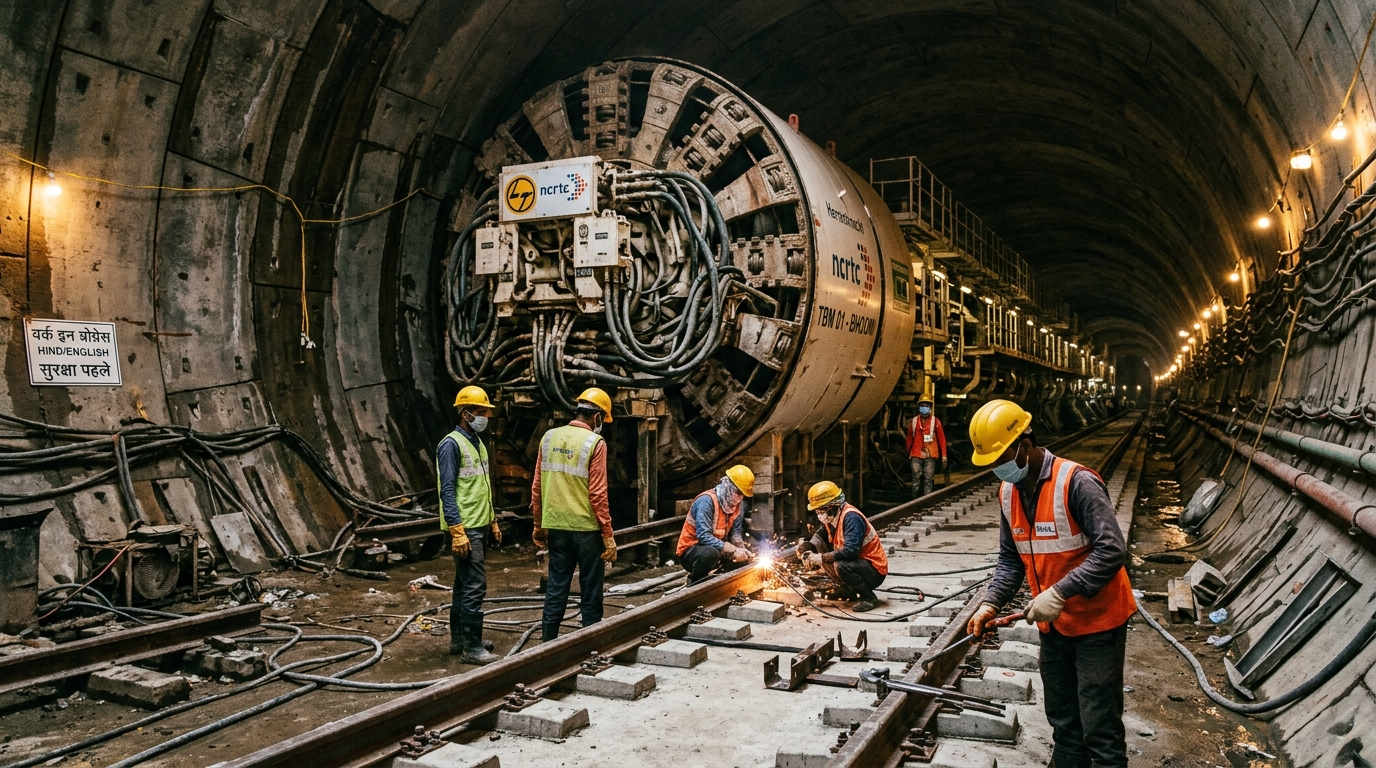
Why Is Patna Metro Changing Its Plan Near Patna Zoo? 4 TBMs Hold the Answer
Patna Metro Is About to Dig Deeper: Four TBMs Will Change How the City Connects Patna's Metro story is about to move underground in a much bigger way. Near Patna Zoo, the design of an upcoming Metro station is being reconsidered.
India-Nepal Travel Is About to Get Easier: Jaynagar Set to Get a New Immigration Post
A small step at the India-Nepal border could open a much bigger door for Bihar. Jaynagar in Madhubani is set to get an immigration office near the India-Nepal border.
Bihar approves 10MW solar power plant on Son Canal.
Solar Revolution in Bihar: Son Canal to Power the Future with 10MW Clean Energy Project When Sunlight Meets Water: Bihar's Bold Energy Leap Imagine canals that don't just carry water — but also carry the future of energy. That vision is now becoming real in Bihar.
Leave a Reply
Your email address will not be published. Required fields are marked *