
Bihar Plans ₹12,000 Crore Power Upgrade to Replace Old Wires and 12,000 Transformers
Bihar’s ₹12,000 Crore Power Plan: Could Old Wires, Burning Transformers and Low Voltage Finally Become Less Common?

Bihar’s ₹12,000 Crore Power Plan: Could Old Wires, Burning Transformers and Low Voltage Finally Become Less Common?
Imagine switching on a fan during a hot Bihar afternoon, only to find it barely moving because the voltage is too low. Now imagine this happening just when your family needs electricity the most.
For millions of households, reliable electricity is not a luxury. It powers homes, supports students, keeps small businesses running, and helps farmers and local industries get through the day.
Now, Bihar is preparing a proposed ₹12,000 crore plan to upgrade its ageing electricity distribution network. The Bihar Energy Department wants to replace old wires and poles, install 12,000 transformers, and address low-voltage problems affecting around 2.25 crore electricity consumers.
If the plan receives approval and delivers on its promises, it could make a real difference to everyday life across the state. However, the proposal still needs Cabinet approval, and its success will depend on how effectively the government implements it.
What Is Bihar’s ₹12,000 Crore Electricity Upgrade Plan?
According to a report published by Hindustan, the Bihar Energy Department has prepared a ₹12,000 crore proposal to strengthen the state's electricity distribution infrastructure.
The department plans to seek funds through bank loans. However, the state Cabinet must approve the proposal before implementation can move forward.
The plan targets several long-standing problems, including deteriorating electricity wires, ageing poles, overloaded transformers, and complaints about low voltage.
These issues matter because electricity demand has grown across Bihar. Meanwhile, older distribution infrastructure must handle more connections and the increasing use of household appliances.
The proposed investment aims to bring the network closer to what consumers need today.
What Will the Government Upgrade?
The proposal focuses on three main areas:
₹8,465 crore for poles and cable wires: The plan covers approximately 1.18 lakh kilometres of infrastructure.
₹2,262 crore for wires supported by bamboo structures: The department proposes replacing wires spread across 33,698 kilometres.
₹370 crore for 12,000 transformers: The programme aims to replace existing transformers.
Together, these three allocations amount to ₹11,097 crore. The report does not specify how the department will distribute the remaining amount within the overall ₹12,000 crore proposal.
Importantly, these figures describe a proposed investment, not money already approved or spent.
Why Does Bihar Need to Replace Its Old Electricity Wires?
Electricity infrastructure often receives little attention until something goes wrong.
A damaged wire, a leaning pole, or a failed transformer can disrupt daily life for entire neighbourhoods. In some places, ageing infrastructure can also create serious safety risks.
For households, low voltage can make everyday electrical appliances less effective. For shopkeepers, workshops, and small businesses, unreliable electricity can interrupt work and affect earnings.
Therefore, replacing deteriorating wires and poles is about more than improving the appearance of the electricity network. It is about building a system that can handle present-day demand more safely and reliably.
Why Are Bamboo-Supported Wires a Concern?
The proposal includes replacing wires spread across 33,698 kilometres where bamboo structures currently provide support.
This is a particularly important part of the plan because electricity distribution depends on suitable supports, properly maintained lines, and safe installation.
Replacing such arrangements with appropriate infrastructure could improve the reliability of the network. However, the actual safety benefits will depend on the materials used, installation standards, and ongoing maintenance.
The priority should be to ensure that households in both rural and urban Bihar receive a safer and more dependable electricity connection.
Low Voltage in Bihar: Why Is the Problem Growing?
Electricity consumption has changed significantly over the years.
According to the supplied report, the number of electricity consumers has more than doubled since 2015–16. At the same time, households increasingly use appliances that place additional demand on local distribution networks.
Air conditioners and coolers, for example, are becoming more common in rural households as well as in cities.
Energy expert S. K. Singh highlighted the need to replace deteriorating wires, install transformers with suitable capacities, and increase the number of substations and grids.
This points to a wider challenge. Adding electricity connections is only one part of the job. The infrastructure carrying electricity must also keep pace with rising demand.
How Can Better Wires and Transformers Help?
When demand rises beyond what local infrastructure can comfortably support, consumers may experience voltage fluctuations and other supply problems.
Higher-capacity cables and appropriately sized transformers could help manage this demand more effectively. However, low voltage can have several causes, so equipment replacement alone may not solve every problem.
The department will need to assess local demand and choose suitable equipment for each area.
In addition, regular maintenance and timely repairs will remain essential. Without them, even upgraded infrastructure can deteriorate over time.
North Bihar and South Bihar: How Will the Money Be Distributed?
The proposal divides the planned expenditure between Bihar's two electricity distribution companies.
| Electricity distribution company | Proposed expenditure | Coverage |
|---|---|---|
| North Bihar Power Distribution Company | ₹6,066 crore | 21 districts |
| South Bihar Power Distribution Company | ₹5,031 crore | 17 districts |
| Total | ₹11,097 crore | 38 districts |
According to the report, North Bihar would receive the larger proposed allocation, at approximately ₹6,066 crore. South Bihar's distribution company would account for around ₹5,031 crore.
The combined allocation totals ₹11,097 crore, which is ₹903 crore below the headline proposal of ₹12,000 crore. The available report does not explain how the department intends to allocate the difference.
For residents, the important question is not simply how much each region receives. It is whether the work reaches the areas that need it most.
Remote villages, growing towns, and densely populated neighbourhoods may face different infrastructure challenges. Therefore, effective planning will require local assessments and clear priorities.
What Could This Mean for Bihar's Households?
For ordinary consumers, the impact of an electricity upgrade is measured in everyday experiences.
A household wants fans and other appliances to work properly. Students need dependable lighting to study. Small businesses need electricity to operate equipment and serve customers.
If the proposed programme improves voltage stability and reduces infrastructure-related failures, these everyday activities could become easier.
Benefits for Rural Communities
In rural Bihar, dependable electricity can support household needs and local economic activity.
Better distribution infrastructure could help shops, small workshops, and other businesses operate more consistently. It could also improve the conditions in which students study and families use electrical appliances.
However, these are potential benefits, not guaranteed outcomes. The programme must reach the communities experiencing the greatest difficulties, and local networks must receive adequate maintenance.
Benefits for Shops and Small Businesses
Electricity interruptions can affect productivity, customer service, and operating costs.
For small businesses, a more reliable supply could reduce disruption and make it easier to plan daily operations. Meanwhile, businesses that depend on electrical equipment could benefit from infrastructure that better matches local demand.
Still, the proposal does not guarantee uninterrupted electricity. Power reliability also depends on generation, transmission, distribution management, and the speed of fault repairs.
The upgrade would address an important part of that wider system.
Could the Plan Improve Electrical Safety?
Ageing poles and deteriorating wires can create risks for residents, pedestrians, workers, and maintenance teams.
Replacing damaged infrastructure could reduce some of these hazards, particularly where existing arrangements need urgent attention.
However, safety improvements will depend on proper installation, inspections, and prompt repairs. The government must also ensure that contractors follow appropriate technical and safety standards.
For communities, the most visible sign of progress may be fewer damaged poles, safer electrical lines, and quicker responses to reported faults.
The quality of the work will matter just as much as the scale of the investment.
How Will Bihar Finance the ₹12,000 Crore Plan?
The Energy Department reportedly intends to raise approximately ₹12,000 crore through bank loans.
This proposed financing approach means the project will require careful financial planning alongside technical execution.
Before the programme begins, the state must complete the approval process and finalise its financing arrangements. The implementation schedule will also need to establish priorities for different districts and infrastructure components.
Furthermore, transparent spending and regular progress reports will help the public understand how the money is being used.
The government should also track practical outcomes, including voltage complaints, transformer failures, repair times, and electricity-related safety incidents.
These measures would help show whether the investment is improving the service consumers receive.
What Happens Next?
The immediate next step is Cabinet approval.
After that, the department will need to finalise financing, implementation timelines, procurement, and the sequence of infrastructure upgrades.
Consumers will also need clear information about which areas will receive work first. Equally important, the government should explain how residents can report damaged wires, failing transformers, and persistent low-voltage problems during the programme.
For Bihar's 2.25 crore electricity consumers, the promise of this plan is straightforward: a stronger network that can better meet growing demand.
Now comes the harder part. The proposal must move from paperwork and financial planning to visible improvements in homes, streets, villages, and markets across the state.
Follow Bihar Say at www.biharsay.com for regular updates, untold stories, and meaningful developments from Bihar. Join our 15K+ community worldwide as we explore the people, businesses, infrastructure, and ideas shaping the state's future.
Reach 8.5 Lakh+ Monthly Readers & High-Intent Hindi Heartland Buyers
Premium display banners, founder spotlight stories, and performance ads across Bihar, Jharkhand & Global Bihari Diaspora.
Have a Bihar story to share?
Bihar Say is powered by grassroots contributors, founders, and changemakers like you. Join the community today.
More in Industry & Innovation
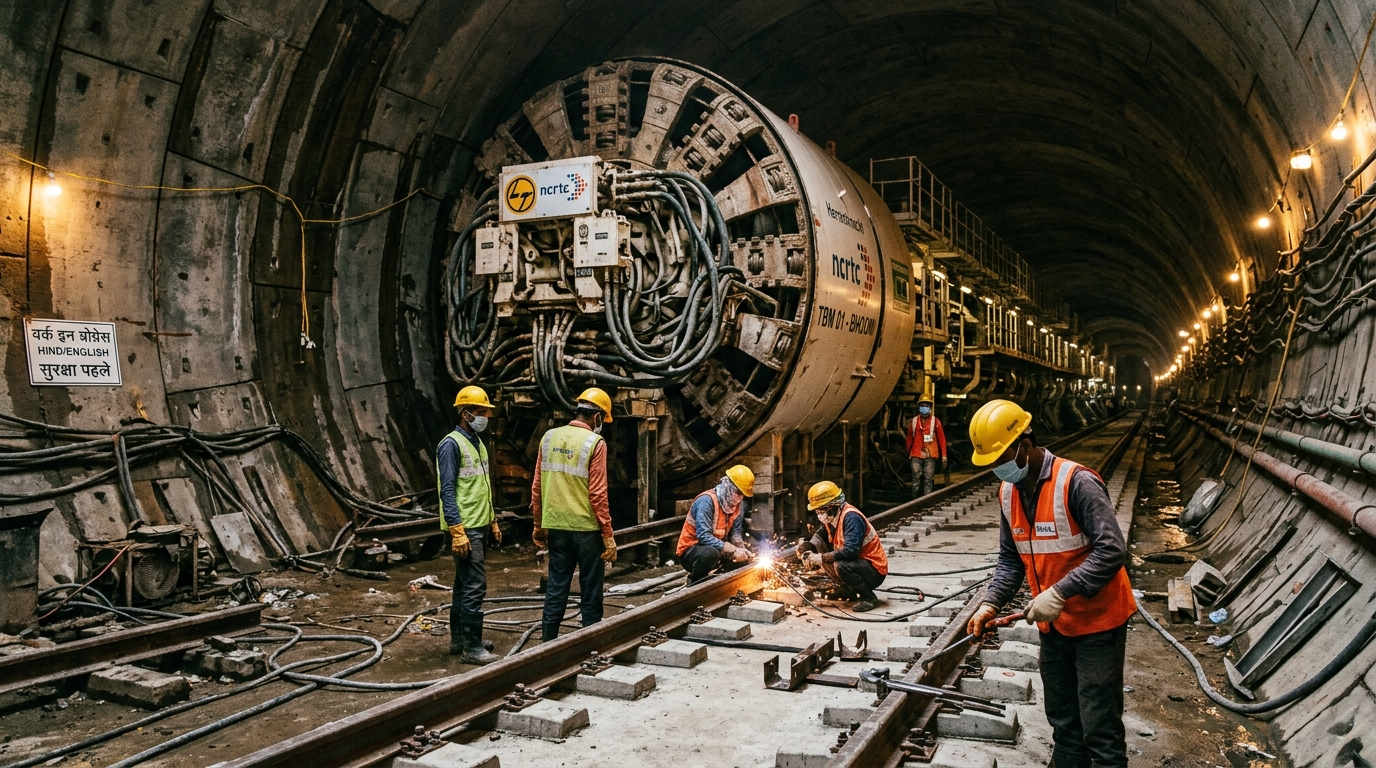
Why Is Patna Metro Changing Its Plan Near Patna Zoo? 4 TBMs Hold the Answer
Patna Metro Is About to Dig Deeper: Four TBMs Will Change How the City Connects Patna's Metro story is about to move underground in a much bigger way. Near Patna Zoo, the design of an upcoming Metro station is being reconsidered.
India-Nepal Travel Is About to Get Easier: Jaynagar Set to Get a New Immigration Post
A small step at the India-Nepal border could open a much bigger door for Bihar. Jaynagar in Madhubani is set to get an immigration office near the India-Nepal border.
Bihar approves 10MW solar power plant on Son Canal.
Solar Revolution in Bihar: Son Canal to Power the Future with 10MW Clean Energy Project When Sunlight Meets Water: Bihar's Bold Energy Leap Imagine canals that don't just carry water — but also carry the future of energy. That vision is now becoming real in Bihar.
Leave a Reply
Your email address will not be published. Required fields are marked *